
The journal · 17 August 2026
Candid vs traditional wedding photography: which should you book
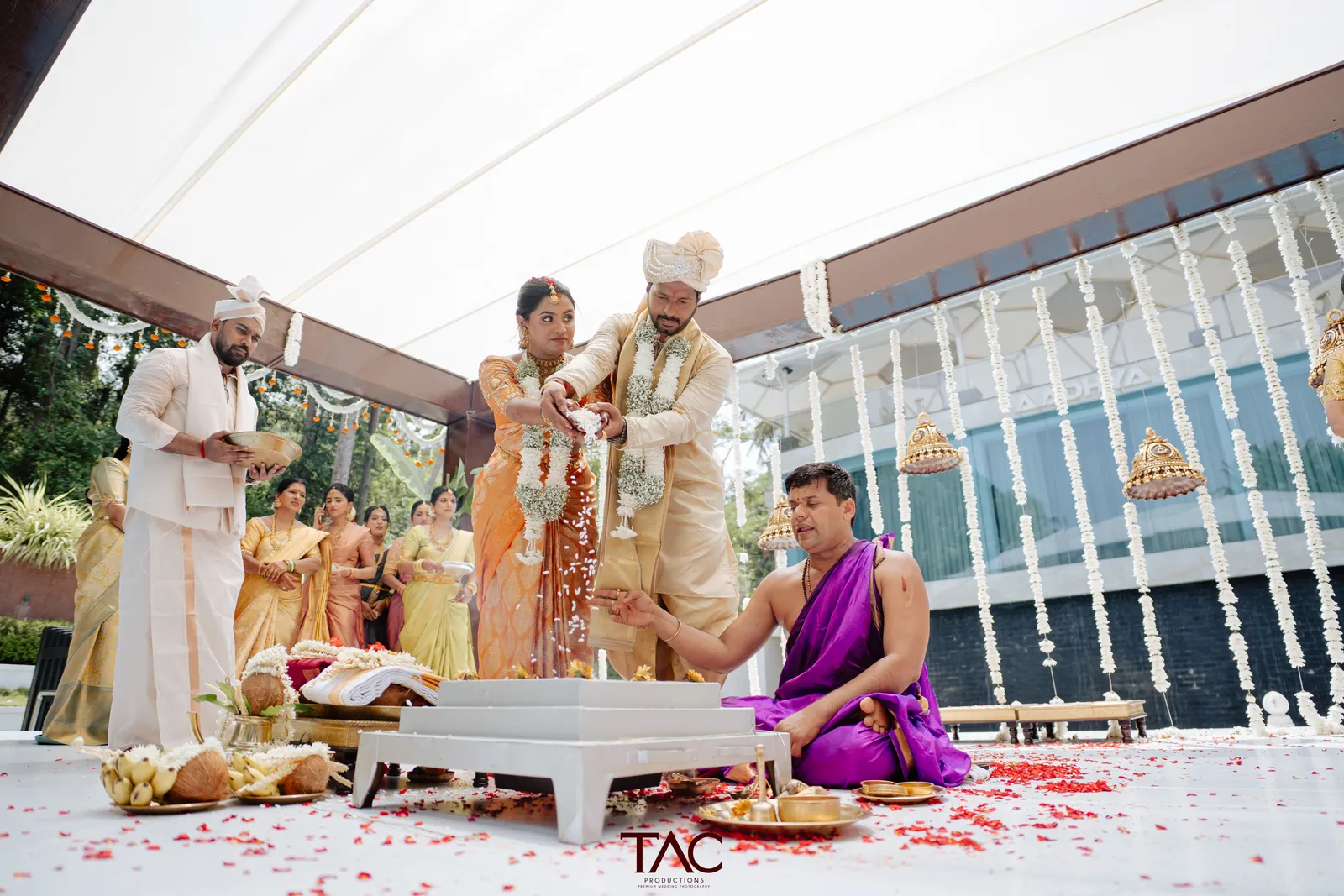
Couples booking a photographer usually reach the candid-versus-traditional question with a vague preference already formed, often from Instagram, and not much sense of what they’re actually deciding between. We’ve written separately about what each style genuinely is and why most weddings use both. This post is the practical follow-on: a decision framework for what to actually book, given your family, your rituals, and your budget.
What candid coverage covers, specifically
Candid coverage means a photographer working from the edges of the room, catching reactions as they happen rather than arranging them. In practice, that means: the getting-ready hours, the unscripted minutes before a ritual starts, guests reacting to a garland exchange, a parent’s face during kanyadaan. It does not reliably guarantee a clean, well-lit shot of every relative who travelled for the day — that’s not what it’s built for.
What traditional coverage covers, specifically
Traditional coverage means structured, posed documentation: formal family groupings, a clean couple portrait, the ceremony shot from a fixed, well-lit position. It guarantees you have one clear photograph of your grandparents with the couple, one formal record of the mandap, one image every relative will actually recognise themselves in. It does not, by itself, capture the mood of the day.
What each generation in the room actually expects
This is the part couples underweight. Parents and older relatives, in our experience, largely judge a wedding gallery by whether the formal portraits exist and are good — a framed print goes on a wall, and it’s rarely a candid frame. The couple and their friends, on the other hand, tend to value the candid set more, because those are the images that read as true to the day rather than staged for it. Booking only one style satisfies one generation and disappoints the other. This is the actual argument for a deliberate mix, more than any aesthetic preference.
Why most Indian weddings need both, structurally
Indian weddings run on rituals with fixed, priest-led timing — kanyadaan, saptapadi, the mangalsutra moment — which candid coverage alone can miss if the photographer isn’t already in position, and which traditional coverage alone can flatten into a static record with no life in it. A wedding with several functions across two or three days multiplies this further: each function has its own candid moments and its own family groupings that need a clean record. See our guide to one-day versus multi-day coverage for how the day count itself changes what you need to plan for.
How to brief a photographer on the mix you want
Rather than asking for “candid” and assuming the rest follows, we’d suggest a more specific brief:
Name your non-negotiable portraits. Tell your photographer which family groupings absolutely must exist — grandparents, out-of-town relatives, anyone who won’t get a second chance at a photograph with you. Everything else can lean candid.
Ask how many structured portrait sessions they build into the day, and how long each runs. Fifteen to twenty focused minutes per side of the family is a reasonable working window; anything longer starts eating into candid coverage time, and anything shorter rushes the shots that matter to your parents.
Ask to see a full gallery, not a highlight reel. Highlight reels are, by definition, the best few frames from each style. A full gallery shows you the actual ratio a photographer delivers, and whether their candid frames look genuinely unposed or staged to look that way — a difference worth learning to spot before you book, which our guide to choosing a photographer goes into further.
Tell them about your rituals in advance. A photographer who knows your ceremony’s sequence beforehand can plan candid coverage around the moments that won’t repeat, rather than discovering the ritual order as it happens.
What we default to
Our working default is candid-first, structured where it matters: short, efficient portrait windows so families aren’t standing around, and quiet, unobtrusive coverage around the rituals for the rest of the day. It’s the same approach whether we’re shooting in Udupi or a large hall in Bangalore — the ritual changes, the ratio we aim for doesn’t.
Deciding for your wedding
If you’re weighing this decision for your own day, tell us your guest list, your rituals, and which relatives you absolutely need a clean portrait with, and we’ll tell you honestly what mix would serve your gallery best. Browse the blend in practice across our portfolio, or check your date to start the conversation.
— The Artsy Craftsmen