
The journal · 2 July 2026
Do you need both a wedding photographer and a filmmaker
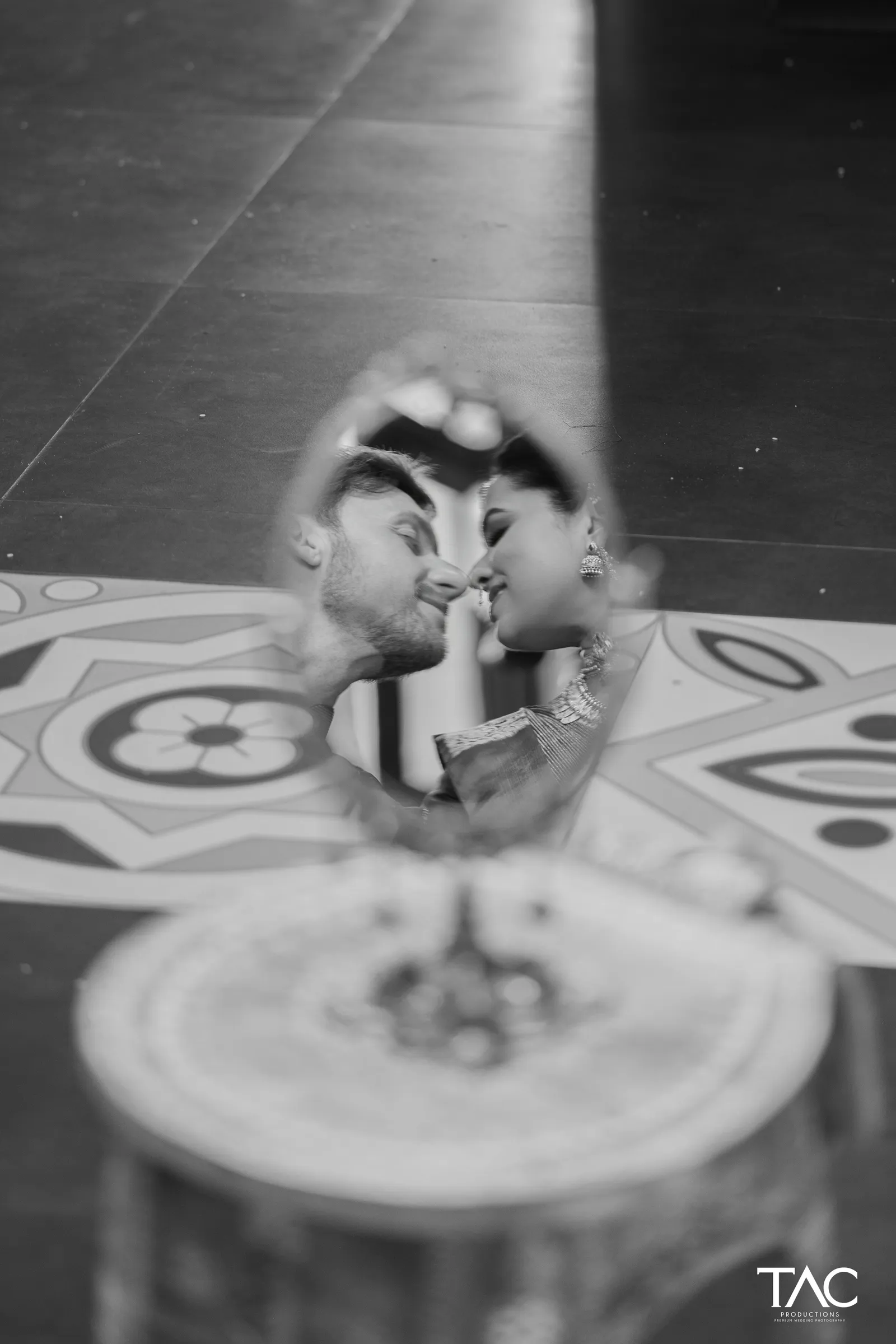
Couples often treat wedding photography and videography as two separate line items to be decided independently. In practice, the decision is less about whether you want both and more about how the two teams work together on the day.
Here’s what we’ve learned from delivering both to the same couples.
Why most couples end up wanting both
Photographs and film do different emotional work. A photograph is a moment held still — the exact second a garland is placed, frozen so you can look at it for years. Film gives you the sound of that same moment: the priest’s chant, your father’s voice breaking, the noise of the crowd. Most couples, once they’ve seen a wedding film alongside a gallery, realise they wanted both and didn’t know it going in.
If budget forces a choice, photography is the safer standalone investment — a still gallery ages well on its own. But film adds something photography structurally cannot: your own voice, on your own wedding day, that you can hear again.
What changes when one studio does both
When photography and film are handled by separate, uncoordinated vendors, you often get two teams competing for the same angle at the same moment — a videographer’s boom mic drifting into a photographer’s frame, or both crews blocking each other during a tight ritual like the mangalsutra. We’ve walked into weddings as the photography team and watched this happen from the outside.
When one studio runs both, the plan is built jointly from day one: who takes the wide shot, who takes the tight shot, where the drone flies and when, which team leads during moments too narrow for two cameras to share. It removes an entire category of on-the-day friction.
Delivery timelines, and why they differ
Photographs and films are different products with different post-production demands, which is why we plan them on different schedules — 45 days for photographs, 60 for films, with a little more room built in when a wedding lands in peak season or needs a genuinely complex edit. Editing a wedding film means syncing audio, colour grading, and cutting a narrative arc from hours of footage; it is a longer process by nature, and a studio promising same-timeline delivery for both is usually rushing one of them.
Questions worth asking before booking both
Ask whether the photography and film teams have worked together before, or are being paired for the first time on your wedding. Ask how they plan to share tight spaces during tightly choreographed rituals. Ask whether the film includes synced audio from the ceremony itself, or only background music — a meaningful difference many couples don’t think to ask about.
How we handle it
We shoot photography and film as one coordinated team, whether the wedding is an intimate ceremony in Udupi or a large multi-day event in Hyderabad. The two crews plan the day together beforehand, which is part of why our couples rarely notice the film team at all during the ceremony itself — see examples in our portfolio.
If you’re deciding between photography alone, film alone, or both together, reach out and we’ll walk you through what makes sense for your specific day and budget.
— The Artsy Craftsmen